Choosing the best IoT protocol: WiFi, GSM, or Bluetooth

Choosing the best IoT protocol: WiFi, GSM, or Bluetooth

In the world of IoT, choosing the right communication method is never a trivial task. The decision between WiFi vs GSM vs Bluetooth in IoT directly affects critical aspects such as battery life, data rate, coverage, and overall cost. Whether you are developing wearables, industrial sensors, or smart home devices, the communication protocol you select will determine how efficiently and reliably your embedded system performs. This guide explores real-world use cases and trade-offs, helping you identify the best protocol for your project.

What to consider before choosing a protocol

First, you should evaluate the following criteria:

  • Range & Coverage Needs — Does the device need to work indoors, outdoors, or across large areas?
  • Data Rate & Latency — Will the device send periodic small messages, or heavy data streams (e.g. video)?
  • Power & Battery Life — Is the device battery powered, or can it assume constant power supply?
  • Cost & Infrastructure — What are the costs of hardware, connectivity (e.g. SIM cards), and ongoing service?
  • Security & Regulatory Concerns — Are licensed spectrum or operator-certified protocols required?

These factors will guide your choice between WiFi, GSM, Bluetooth, and other protocols like LPWAN.

WiFi: high throughput with local convenience

Wi-Fi

WiFi offers high data rates, typically in the range of tens to hundreds of Mbps and is excellent when your IoT device operates in a space with existing network infrastructure (home, office). Because of this, it’s often used in smart cameras, video-streaming devices, or hubs that upload many data packets.

However, WiFi also has trade-offs: it consumes more power, which shortens battery life, and setup (security, routers, interference) can become complicated in challenging RF environments. Furthermore, its range is limited relative to cellular or LPWAN options, especially outdoors. Referencing IoT comparison studies, choosing Wi-Fi makes sense when bandwidth and latency are priorities and power is less constrained.

GSM / Cellular: wide reach at a price

Meanwhile, GSM (including modern cellular IoT technologies like LTE-M / NB-IoT) gives you almost global coverage, mobility, and reliable indoor penetration. Because of this, it is often chosen for fleet tracking, remote sensors, or devices outside the reach of WiFi.
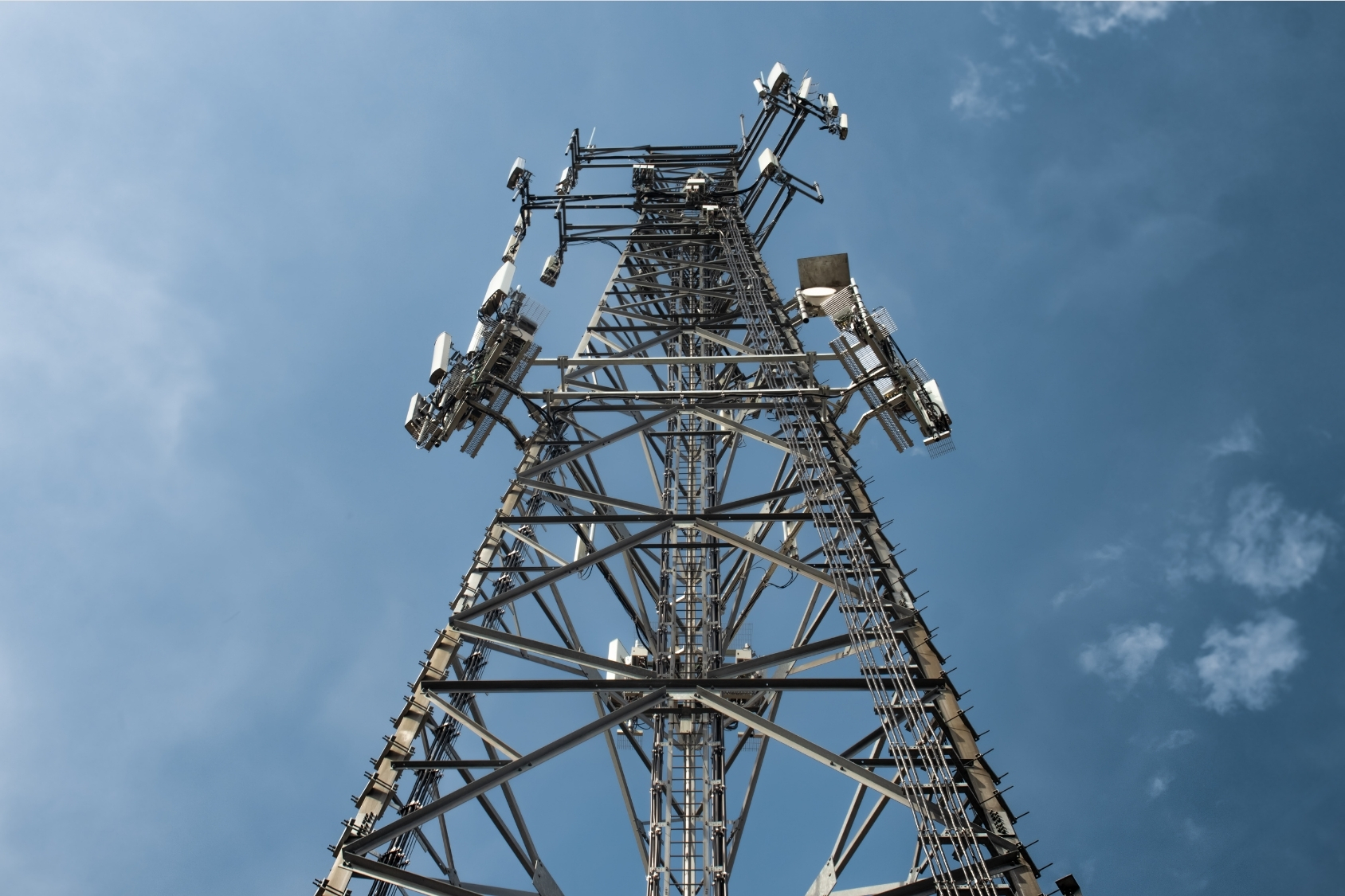
GSM

Yet, cellular connectivity typically incurs higher costs (SIM cards, data plans), higher baseline power consumption, and sometimes more expensive certification and hardware. In many use cases, the cost-benefit balance swings toward GSM only when you truly need wide area coverage or remote deployment.

Bluetooth / BLE: low power, short range, big in wearables
Bluetooth/BLE

On the other hand, Bluetooth Low Energy (BLE) is superb for short-range, low-data scenarios. When power efficiency is paramount—such as in wearables, health sensors, or indoor smart home devices—BLE shines. Because its power draw is low, and its data rates are sufficient for many non-

streaming use cases, it often maximizes battery life.

Nevertheless, Bluetooth’s downsides include limited range (tens of meters), potential interference in crowded frequency bands (2.4 GHz), and lower data throughput. Therefore, it’s less suited to situations needing long range, frequent connectivity, or high volumes of data.

Emerging Alternatives: LPWAN (LoRaWAN, NB-IoT) for long range & low power

Because neither WiFi, GSM, nor Bluetooth fit all needs, many designers turn to LPWAN protocols such as LoRaWAN és NB-IoT. These offer long range, low power consumption, and are ideal for applications where devices send small amounts of data infrequently.

  • LoRaWAN operates on unlicensed spectrum, has very low power demands, and can cover up to 10-15 km in rural areas (2-5 km in urban settings). However, its data rate is modest and latency can be higher.
  • NB-IoT uses licensed cellular bands, giving better reliability and penetration, somewhat higher data rates (up to ~200 kbps), though at higher cost in hardware and network subscription. Battery life is still strong, but depends heavily on transmission frequency and network conditions.

Thus, LPWAN options are often the best choice when covering remote sensors, environmental monitoring, smart agriculture, and city-scale deployment.

Comparison Matrix: Wi-Fi vs GSM vs Bluetooth vs LPWAN
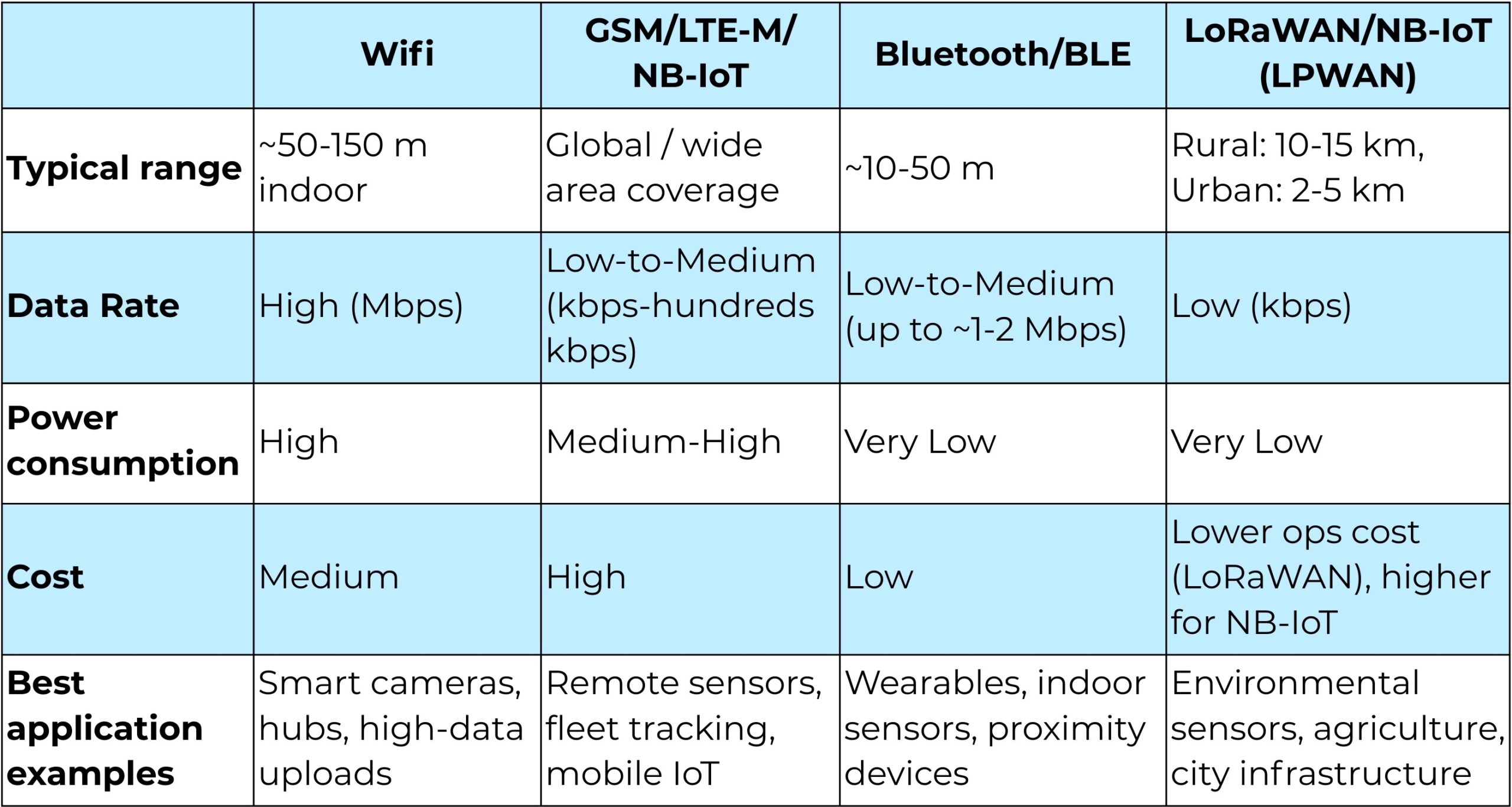
Comparison WiFi GSM Bluetooth

Decision Flowchart: which protocol fits your IoT use case?

To simplify your choice, here’s a flowchart logic you can follow:

  1. Do you require long-range or remote coverage?
      • Yes → Consider GSM or LPWAN
      • No → Go to step 2
  2. Is power / battery life a critical constraint?
      • Yes → Bluetooth / BLE or LPWAN
      • No → Go to step 3
  3. Do you need high data rate or streaming capability?
      • Yes → WiFi or high-bandwidth cellular
      • No → Lower bandwidth options are acceptable
  4. Do you have existing connectivity infrastructure or constraints (e.g. operator support, licenced spectrum)?
  5. What is the budget (both device cost and ongoing connectivity)?

Using this flow, you can map your use case to the protocol that matches your priorities in range, power, cost, and data.

Real-world use cases
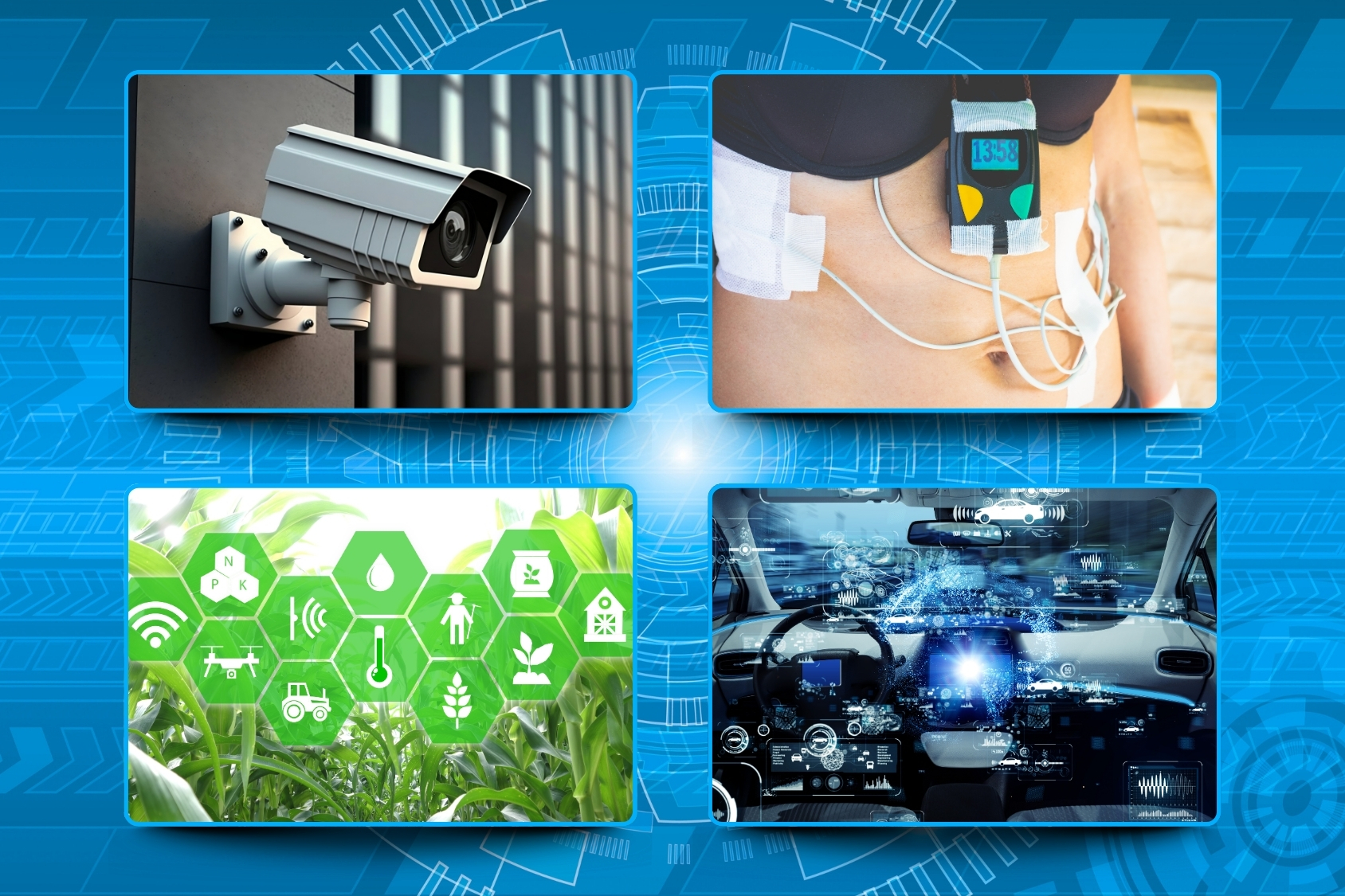
Real-world use cases
  • Smart Surveillance Camera (Home or Business): Needs high resolution video, frequent uploads → WiFi is typically the best fit.
  • Agricultural Field Sensor: Long range, minimal data (e.g. temperature, humidity), solar or battery powered → LoRaWAN or NB-IoT works well.
  • Wearable Health Monitor: Low power, periodic data syncing to mobile → BLE is a strong choice.
  • Vehicle Telematics: Mobility + remote coverage → GSM / LTE-M or NB-IoT depending on region and data frequency.

Final thoughts: balancing trade-offs for embedded system design

Ultimately, choosing between WiFi vs GSM vs Bluetooth in IoT requires balancing trade-offs:

  • If you prioritize bandwidth and speed, WiFi or high-bandwidth cellular is preferable.
  • If power efficiency is paramount, Bluetooth / BLE or LPWAN protocols shine.
  • If coverage is the key concern (remote or mobile), then GSM or LPWAN is usually the answer.
  • If cost (hardware + connectivity) or infrastructure limitations exist, that steers decision toward Bluetooth/BLE or LoRaWAN.
The most important components of a PCB

The most important components of a PCB

Printed Circuit Boards (PCBs) are the core of virtually all electronic devices today, from smartphones to industrial controllers. Understanding the most important components of a PCB isn’t just helpful for engineers; it’s valuable for anyone interested in how electronics really work.

Before exploring individual parts, let’s clarify: a Printed Circuit Board (PCB) is a flat, structured platform that organizes and connects electronic components using conductive tracks and pads. Without PCBs, modern electronic devices would be bulky, unreliable, and difficult to manufacture.

In embedded systems – whether for IoT products, smart devices, or industrial machinery – PCBs offer both a physical structure and an electrical backbone. At EmbedPro Ltd., we focus on designing reliable PCBs tailored specifically for embedded system applications, emphasizing both performance and durability from concept to production.

Key PCB components for embedded system design

While PCBs vary in complexity, there are several components you’ll find in almost every professional embedded system. Each serves a unique and essential purpose.

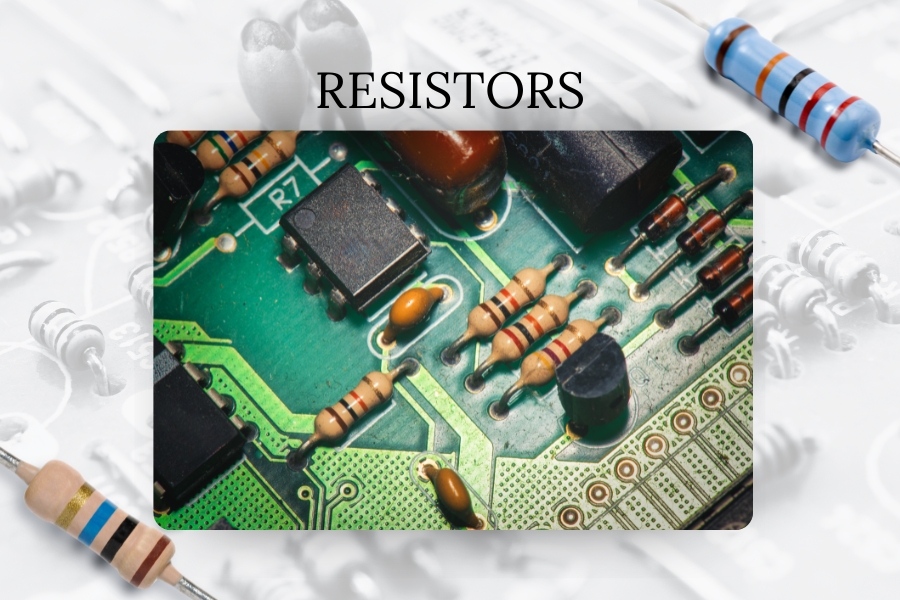
Resistors: controlling current flow in PCB circuits

Resistors are the workhorses of PCB design. Their main job is to regulate the flow of electrical current, preventing overload that could damage sensitive components.

Resistors: Controlling Current Flow in PCB Circuits

But that’s not all. Resistors also divide voltages, control signal levels, and set biasing for active components like transistors. Choosing the correct resistor value and type is crucial for maintaining circuit stability, which directly impacts the performance and reliability of embedded systems.

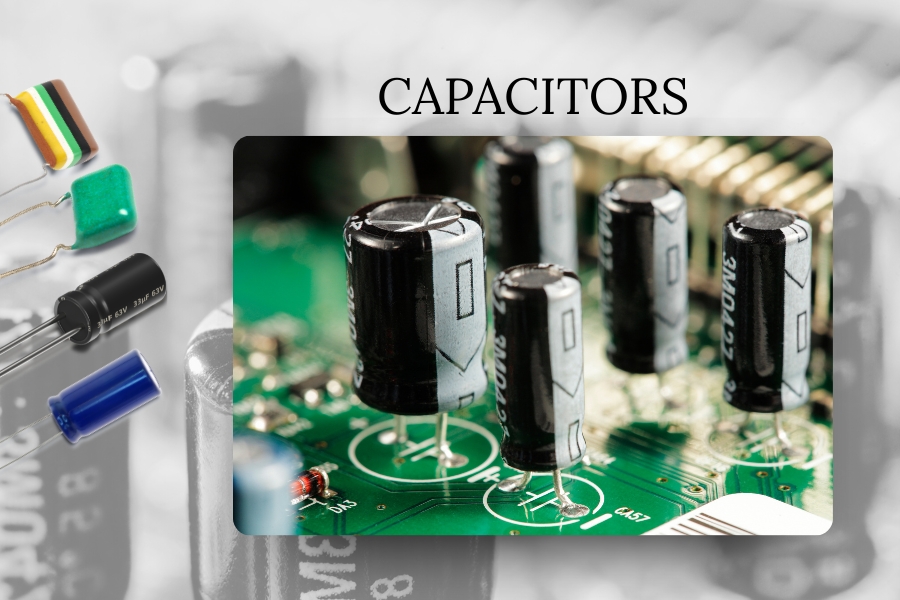
Capacitors: Storing and Releasing Energy Effectively

Capacitors: Storing and Releasing Energy Effectively

Capacitors store electrical energy temporarily and release it when needed. Their role becomes especially clear in power supply circuits where they smooth out voltage fluctuations.

In embedded systems, capacitors also filter signals, block direct current (DC) while allowing alternating current (AC) to pass, and provide energy storage in timing applications. Using the right type and size of capacitors improves system responsiveness and protects against voltage spikes.

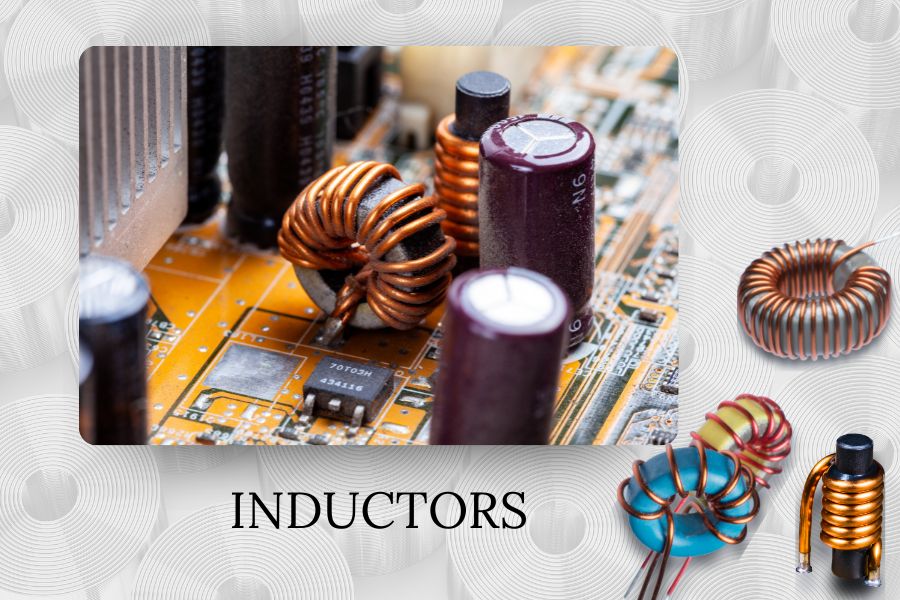
Inductors: Managing Magnetic Fields in Complex PCB Designs

Inductors store energy in the form of magnetic fields. They may not appear in simple circuits, but in advanced PCB designs – such as those for industrial control systems – they’re indispensable.

Inductors: Managing Magnetic Fields in Complex PCB Designs

Inductors are common in power supply filtering, RF (radio frequency) circuits, and creating resonant circuits when combined with capacitors. These applications are critical in embedded systems that require high precision and stability.

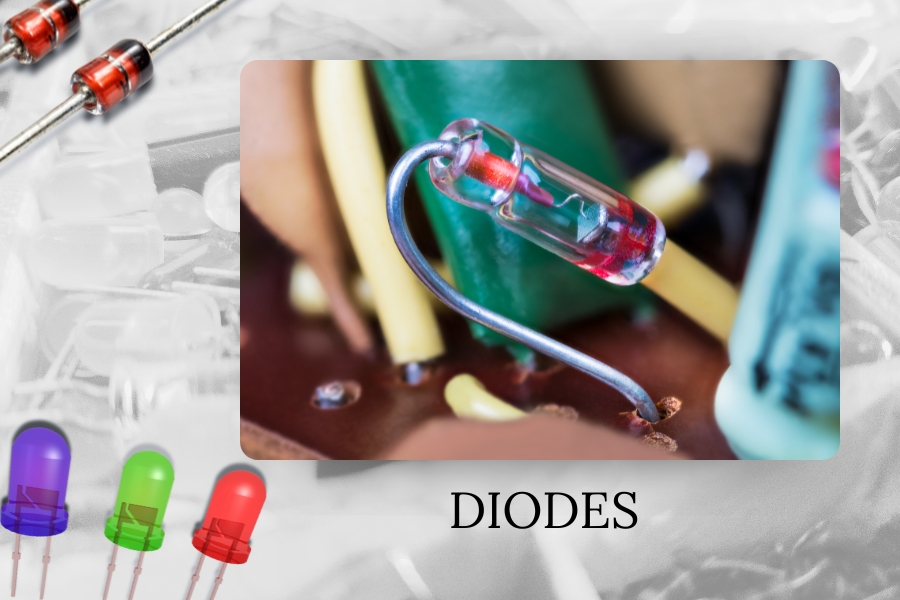
Diodes: Ensuring Correct Current Direction in Embedded Systems

Diodes: Ensuring Correct Current Direction in Embedded Systems

Diodes allow current to flow in only one direction, serving as a protective gatekeeper for the circuit. In embedded systems, they are often used for reverse polarity protection – preventing damage when a power source is connected incorrectly.

They also play roles in voltage regulation, signal demodulation, and even light emission (as in LEDs). Proper placement of diodes ensures that embedded systems operate safely and predictably.

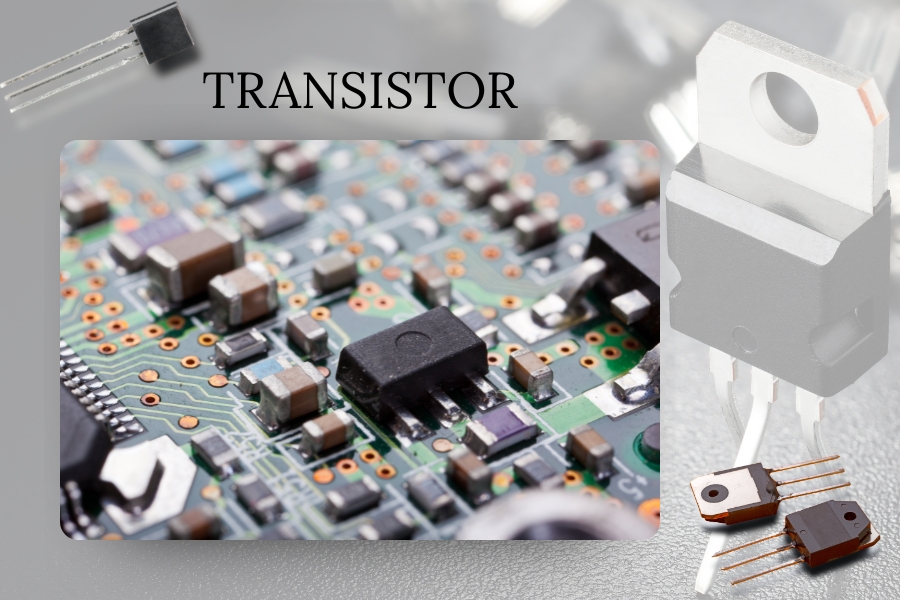
Transistors: Amplifying and Switching Signals in Embedded System PCBs

Transistors are perhaps the most transformative invention in electronics. These components act as electronic switches and amplifiers, controlling everything from signal flow to power distribution.

Transistors: Amplifying and Switching Signals in Embedded System PCBs

In embedded systems, transistors are used in logic gates, memory elements, and power regulation. Selecting the appropriate transistor type – bipolar junction transistors (BJTs), field-effect transistors (FETs), or others – directly influences energy efficiency, processing power, and device longevity.

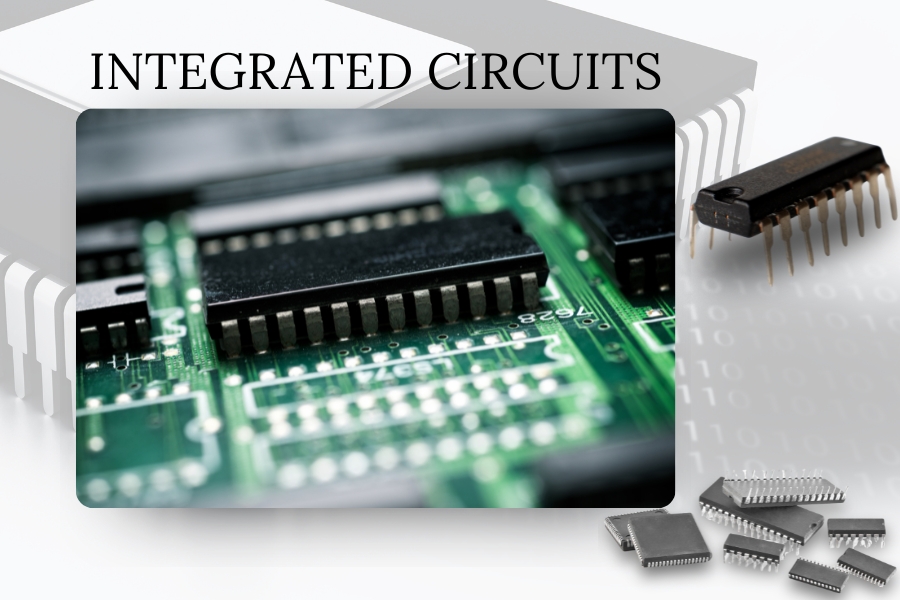
Integrated Circuits (ICs): Miniature Systems on a Chip for Embedded Devices

Integrated Circuits (ICs): Miniature Systems on a Chip for Embedded Devices

Integrated Circuits (ICs) are small chips that contain thousands, sometimes millions, of tiny components such as transistors, resistors, and capacitors. 

These miniaturized systems perform complex tasks like data processing, memory storage, and wireless communication. For embedded system design, ICs are non-negotiable. They allow for compact, efficient solutions that deliver powerful performance in a small footprint. Choosing the right IC involves balancing processing needs, power consumption, and space constraints.

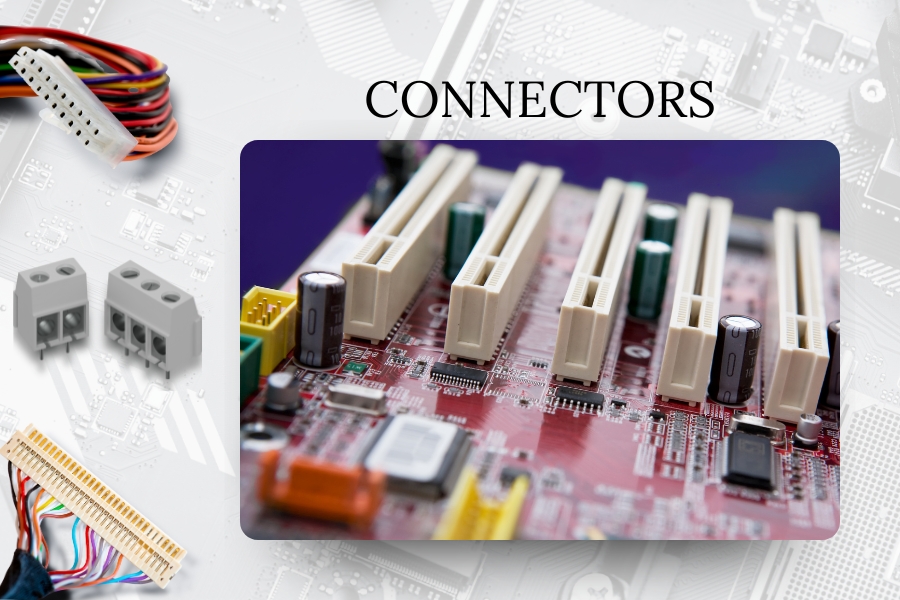
Connectors: Linking PCB Assemblies to Devices and Power Sources

No PCB operates in isolation. Connectors provide the essential link between the PCB and the outside world – whether that’s a power supply, user interface, or sensor network.

Connectors: Linking PCB Assemblies to Devices and Power Sources

In embedded systems, connectors can range from USB ports to specialized pin headers and industrial-grade terminals. High-quality connectors ensure reliability, especially in harsh environments like automotive or factory settings.

Why choosing the right PCB components matters for embedded system development

Every component on a PCB contributes to the system’s overall function, safety, and durability. In embedded systems, where size, power efficiency, and reliability are paramount, the choice of components isn’t just a technical detail – it’s a strategic decision.

Selecting poor-quality or mismatched components can lead to failures, wasted energy, and safety hazards. At EmbedPro Ltd., we prioritize choosing the right parts for each project, aligning our PCB designs with the specific demands of the product and its intended environment.

To summarize, understanding the most important components of a PCB – resistors, capacitors, inductors, diodes, transistors, integrated circuits, and connectors – provides valuable insight into how modern electronics function.

Choosing these components wisely ensures performance, efficiency, and reliability. If you’re working on an embedded system that requires professional PCB design, we are here to help. Our team specializes in creating custom solutions built around your project’s unique requirements.

How Embedded Systems Power Your Everyday Life

How Embedded Systems Power Your Everyday Life

Embedded systems are all around us – quietly operating behind the scenes to make modern life smarter, faster, and more reliable. Yet, while most people rarely give them a second thought, these small but powerful computers are hard at work in everything from coffee machines to cars. In fact, microcontrollers and real-time processors perform countless critical tasks every day, often without drawing any attention. That’s why, in this post, we’ll explore how embedded systems power the devices you rely on from morning to night – frequently without you even realizing it

What are embedded systems?

Simply put, an embedded system is a dedicated computer system engineered to perform one or a few specific functions—often in real time—and usually embedded within a larger mechanical or electrical device. Unlike general-purpose computers such as laptops or smartphones, embedded systems are purpose-built. As a result, they are highly optimized to deliver maximum efficiency, reliability, and low power consumption for the task at hand.

Morning Routine: Coffee Makers and Smart Appliances

That perfect cup of coffee you enjoy in the morning? You can thank an embedded system for that. In fact, most modern coffee machines now include microcontrollers that precisely manage everything from water temperature to brewing time. 

Furthermore, when you add a few sensors and a Wi-Fi module, the appliance becomes even smarter — allowing you to control it remotely from your phone with ease.

Other home examples:

    • Washing machines optimize water and energy use.
    • Thermostats use embedded processors for adaptive heating/cooling.
    • Microwaves rely on timing and power level control loops.

On the Road: Cars, E-Scooters, and Traffic Lights

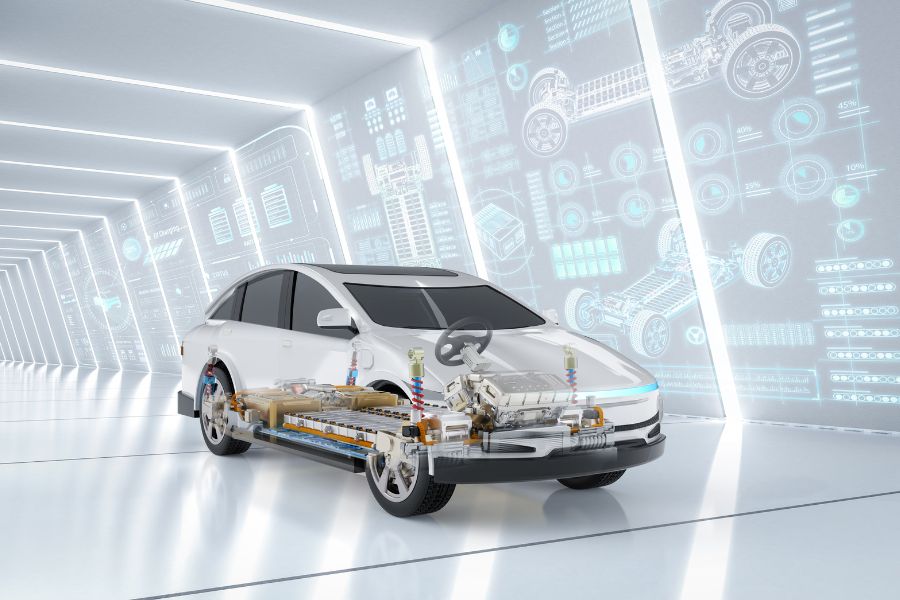
Electric vehicle

Today’s cars are no longer just mechanical machines — they are rolling networks powered by dozens of embedded systems. For instance, components such as anti-lock braking systems (ABS), airbags, engine control units (ECUs), and infotainment systems all rely on embedded technology.

Moreover, these small computers work together seamlessly and in real time to ensure your safety, enhance comfort, and improve overall driving performance.

    • Airbags deploy in milliseconds thanks to real-time embedded safety systems.
    • Electric vehicles (EVs) use embedded systems to manage battery life, energy regeneration, and motor control.
    • Public transport and e-scooters rely on GPS, speed sensors, and connectivity – all run on embedded platforms.

At Work: Offices, Industry, and Automation

In industrial environments, embedded systems play a crucial role — not only in process automation but also in machine control and predictive maintenance. Additionally, in office settings, these systems are embedded in everyday equipment such as printers, routers, and smart lighting systems, quietly ensuring smooth and efficient operation throughout the workday.

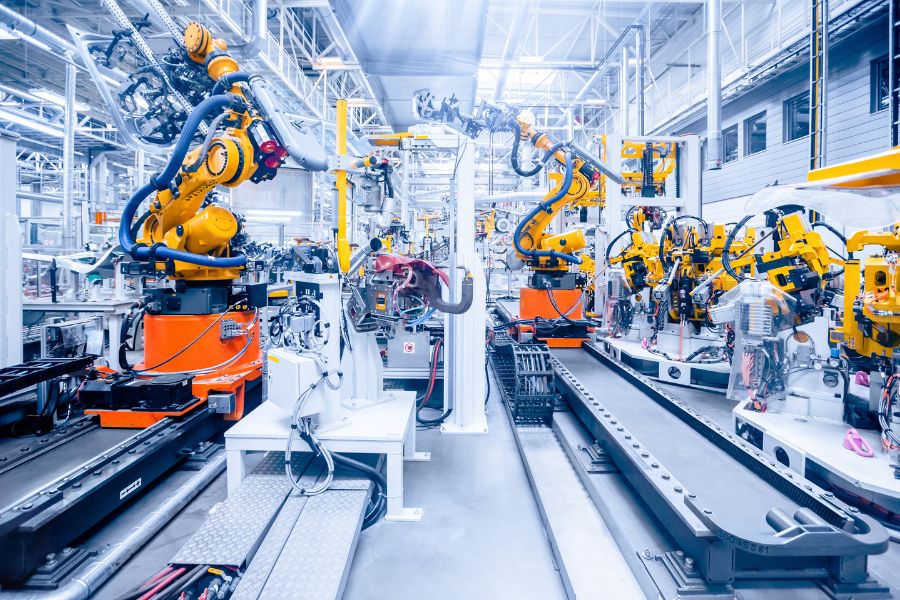
    • Factory robots use embedded systems for precise motion control.
    • IoT sensors monitor environmental conditions, reducing energy use.
    • Networked printers handle scanning, printing, and remote commands—all via embedded firmware.
industrial robots

In Hospitals: Critical Care and Diagnostics

medical device

Medical devices often rely on embedded systems for reliability and safety. Think about:

    • Pacemakers, where real-time software ensures your heart rhythm stays stable.
    • Infusion pumps, carefully delivering medication.
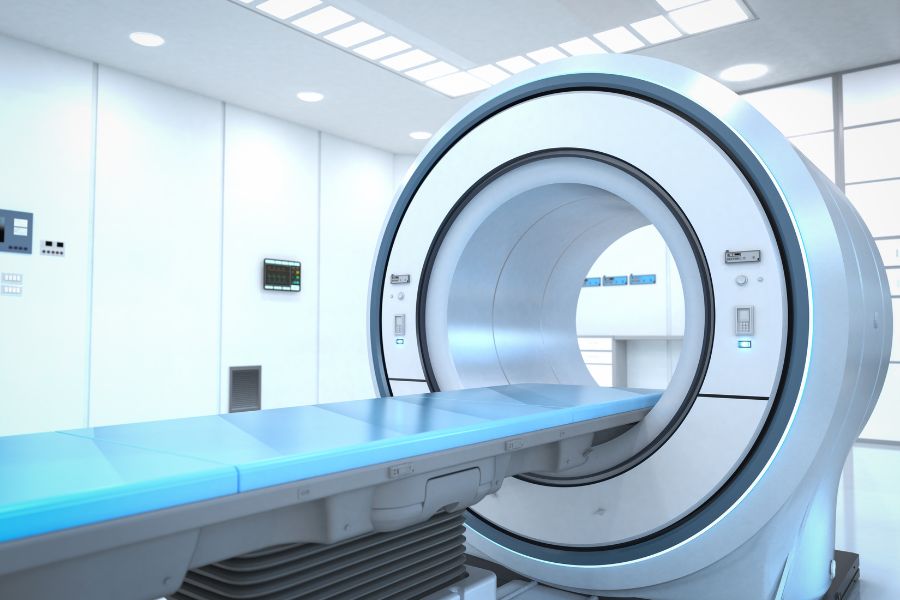
    • MRI machines, coordinating millions of sensor readings for accurate imaging.

These systems must meet strict safety standards (such as ISO 13485 or IEC 62304) because lives depend on their correctness and stability.

At Play: Gadgets, Games, and Smart Homes

From your TV remote to your fitness tracker, embedded systems are in the fun stuff too:

  • Gaming consoles use embedded GPUs and controllers.
  • Smartwatches run full operating systems on ultra-low power chips.
  • Voice assistants manage microphones, speakers, and cloud integration with real-time response.
gaming console

Even your Bluetooth earbuds depend on embedded firmware to manage pairing, audio decoding, and battery optimization.

The Quiet Power Behind the Technology You Trust Every Day

Embedded systems are, without a doubt, the invisible backbone of modern technology. As innovations in AI, IoT, and 5G continue to accelerate, the need for well-designed embedded solutions becomes increasingly critical. Consequently, the future is set to deliver systems that are not only smarter but also smaller and more secure—impacting everything from self-driving cars to AI-powered medical implants.

So, the next time your coffee brews on its own or your car prevents a collision before you even react, take a moment to recognize the quiet brilliance of embedded systems at work. We proudly specialize in developing these silent enablers—seamlessly integrating hardware, software, and innovation to make everyday life smoother, safer, and smarter.

How the Apollo 11 Embedded System Made History

How the Apollo 11 Embedded System Made History

Origins of Embedded Thinking

Back in the 1960s, a quiet revolution began with the Apollo 11 embedded system — a purpose-built computer that changed the future of tech forever.The idea was simple but powerful: instead of using one massive computer for many tasks, what if smaller systems could be built to handle just one job — and do it exceptionally well?

This was the foundation of embedded systems: computing brains built directly into machines to run dedicated functions. The implications were enormous — and the spark that truly lit the fire came from humanity’s most audacious goal at the time: reaching the moon.

The Apollo 11 Embedded System: A Giant Leap for Technology

The Apollo Guidance Computer (AGC) wasn’t just another piece of tech aboard the spacecraft — it was the brain that made moon landing possible. Developed by MIT’s Instrumentation Laboratory for NASA’s Apollo program, the AGC was one of the first real-time digital computers to be embedded directly into a functioning system, in this case, the command and lunar modules.

And it was small. Not “smartphone-in-your-pocket” small, but for the 1960s, cramming a fully functional computer into a 70-pound (32 kg) box was nothing short of miraculous. Equipped with remarkably limited memory and processing power by today’s standards, the AGC managed the spacecraft’s navigation, guidance, and control with a level of reliability that was nothing short of revolutionary.

Apollo 11 Command Module with Mike Collins pilot

Apollo 11 Command Module (CM) pilot Mike Collins practicing docking hatch removal from CM turned in simulator. 

But what truly set it apart wasn’t just its size or speed. It was how it operated. The AGC was designed to prioritize tasks in real-time, a necessity in spaceflight where every second counts. It used a technique called “priority scheduling,” which allowed it to drop lower-priority tasks if a critical one came in — such as helping astronauts land on the moon when alarms started flashing unexpectedly during Apollo 11.

It even had a user interface — crude by today’s standards, but groundbreaking then. Through the DSKY (Display and Keyboard) unit, astronauts punched in two-digit codes that allowed them to communicate with the system. It was like programming a spaceship with a calculator — yet it worked, and it worked flawlessly under pressure. The Apollo 11 embedded system didn’t just support a moon landing — it launched the entire field of embedded computing.

DSKY (Display and Keyboard) unit

The DSKY-Unit of the Apollo Guidance Computer (AGC) mounted on the control panel of the command module (CM).

Beyond Space: How Embedded Systems Took Off on Earth

While the AGC captured the imagination of the world, it also quietly planted the seeds of a new kind of computing. Its success showed that small, specialized computers could outperform bulky general-purpose systems in specific tasks. Engineers and innovators took note.

Just a few years later, in 1968, Volkswagen introduced an embedded system into its cars — an electronic fuel injection system developed with Bosch. For the first time, automobiles were stepping into the computer age. It was the start of an avalanche that would soon bring embedded systems to washing machines, traffic lights, industrial robots, and medical devices.

Then came the real game changer: the Intel 4004. Released in 1971, this tiny chip packed computing power that once required an entire circuit board. It opened the door to inexpensive, flexible, and scalable embedded solutions. Suddenly, computers were no longer rare, towering machines locked in research labs — they were becoming everyday tools hidden in plain sight.

Legacy of the Apollo 11 Embedded System in Today's Tech

From guiding astronauts to the moon to quietly managing everything from air conditioners to insulin pumps, embedded systems have transformed modern life. And it all started with a machine designed not to compute everything, but to do one thing — land a human safely on another world.

The Apollo Guidance Computer wasn’t just an engineering marvel. It was a proof of concept that forever changed how we think about computing. In its quiet efficiency and mission-critical resilience, it paved the way for a world built on invisible intelligence — systems that don’t ask for attention, but without which the world would quite literally stop.

Custom ICT Development for efficient PCBA test

Custom ICT Development for efficient PCBA test

It began with a clear challenge: to design a solution that would make PCBA testing and programming faster, more reliable, and ready for large-scale production. We took this challenge head-on and developed a fully custom ICT system built around a precision test fixture. Every detail, from initial sketches to final integration, was carefully crafted to meet the customer’s specific needs. As a result, we delivered a robust, scalable solution that ensures consistent product quality. This success once again proves that smart development is the foundation of manufacturing excellence.

From Concept to Completion: Custom ICT Development for Test Fixtures

Our solution combines an in-house developed ICT fixture with a specially built testing rack. Together, they form a fully integrated test station, tailored to our customer’s specific needs. The system allows for:

  • Automated electrical testing of PCBAs (Printed Circuit Board Assemblies)
  • Programming of onboard microcontrollers and other programmable components
  • Detection of production faults, such as short circuits, missing components, or incorrect soldering
  • Scalable, repeatable testing that ensures consistent product quality

The ICT fixture uses gold-coated spring-loaded pins to make contact with the test points on the device-under-test (DUT). A custom-designed signal processing board handles the data acquisition. Results are processed by a connected computer, which flags any anomalies and completes device programming where necessary.

Designed and Built In-House

Both the mechanical and electronic design, as well as the final assembly, were handled entirely by our team. Special thanks to our colleagues who brought this idea to life – from concept to final handover.

This solution, therefore, not only enhances quality assurance for our customer, but it also significantly reduces manual labor and minimizes the chance of human error in the testing process.

Furthermore, the testing rack has already been delivered and successfully integrated into the customer’s production line. As a result, it is now efficiently testing and programming thousands of devices with both precision and speed.

Interested in a Custom Test Solution?

If you’re looking for a reliable partner to design and build a custom ICT solution tailored to your production needs, we’re ready to help. At EmbedPro, we specialize in turning complex testing challenges into efficient, scalable systems that, ultimately, support your success. In addition, we work closely with you to ensure that every detail is aligned with your goals. So, think unlimited with us — contact our team today to start building your next-generation test solution.

Key Considerations in PCB Design for Embedded Hardware

Fő szempontok a beágyazott hardverek NYÁK tervezésénél

A nyomtatott áramkörök (NYÁK) állnak a beágyazott hardverek középpontjában, és biztosítják az alkatrészek kommunikációjához szükséges elektromos útvonalakat. A beágyazott rendszerek fejlődésével a NYÁK tervezés egyre bonyolultabb, és optimalizálja a teljesítményt, hatékonyságot és megbízhatóságot. A NYÁK tervezése a beágyazott hardverekhez azonban számos olyan kritikus szempontot foglal magába, amelyek segíthetik vagy akadályozhatják a rendszer funkcionalitását.

1. Alkatrészek elhelyezése és tájolása

Az alkatrészek megfelelő elhelyezése az egyik legkritikusabb lépés a NYÁK tervezésekor. A jól megtervezett elrendezés javítja a jel integritását, minimalizálja a zajokat és biztosítja a hőelvezetést. Hogy miért számít mindez?

    • Jel integritás: A nagyfrekvenciás jeleket kezelő alkatrészeket, mint például a processzorokat és a kommunikációs modulokat a lehető legközelebb kell elhelyezni egymáshoz a jelvesztés elkerülése és a késések minimalizálása érdekében. Ellenkező esetben a nyomvonalak hossza nem kívánt interferenciát és időzítési problémákat okozhat.
    • A tápegységek közelsége: A teljesítmény szabályozó alkatrészeket, mint például a kondenzátorokat és a feszültségszabályozókat, az általuk kiszolgált alkatrészek közelében kell elhelyezni. Ez elengedhetetlen a stabil teljesítményszint fenntartásához és a tápvezetékek zajának elkerüléséhez.
    • Az analóg és a digitális szakaszok egyértelmű elkülönítése: A tervezésnél alapvető fontosságú az analóg és a digitális alkatrészek elkülönítése az interferencia minimalizálása érdekében. A digitális jelek hajlamosak olyan zajt kelteni, amelyek zavarhatják az érzékeny analóg áramköröket.
    • Gyakorlatban: Érdemes elhelyezési rácsokat használni, és követni a logikai folyamatokat a bemenetektől a kimenetekig. Az alkatrészek elhelyezésének szimulálása a tényleges tervezés előtt a hőelvezetés és a jelteljesítmény értékeléséhez.

2. Áramelosztás és földelés

A hatékony energiaellátás alapvető fontosságú a beágyazott rendszerek számára főleg azok esetében, amelyek érzékeny vagy nagy sebességű alkatrészeket működtetnek. A nem megfelelő áramelosztás teljesítményromláshoz vagy akár rendszerhibához vezethet.

    • Tápsík: A dedikált tápsík réteg használata többrétegű NYÁK-on stabil tápellátást biztosít, és csökkenti az impedanciát. A tápsík hőnyelőként is működik, segítve a hőgazdálkodást.
    • Megszakító kondenzátorok: Biztosítani kell, hogy a megszakító kondenzátorok az integrált áramkörök tápcsatlakozóihoz közel helyezkedjenek el a feszültségellátás stabilizálása és a zajszűrés érdekében. A megfelelő elhelyezés kulcsfontosságú a jel integritásának megőrzéséhez, valamint a mikrokontrollerek és más integrált áramkörök zavartalan működéséhez.
    • Földelési stratégia: Az elektromágneses interferencia (EMI) csökkentése és minden jel és tápsíkra vonatkozó referenciaérték biztosítása érdekében elengedhetetlen a megfelelő földelés. A többrétegű NYÁK-ok esetében gondoskodni kell arról, hogy a földelés folytonos legyen és ne legyen töredezett. Ez segít a jel minőségének javításában és a zaj csökkentésében.
    • Gyakorlatban: Vegyes jelű áramkörök tervezésénél szükség lehet külön analóg és digitális földelési síkok létrehozására a nagy sebességű digitális jelek és az érzékeny analóg áramkörök közötti interferencia elkerülése érdekében.

3. Jelintegritás és vezetősáv

A NYÁK elrendezés közvetlenül befolyásolja a beágyazott rendszer jelintegritását. A rossz vezetősáv zajt, jelvesztést és egyéb olyan problémákat okozhat, amelyek befolyásolják a rendszer általános teljesítményét. Néhány kulcsfontosságú szempont, amelyet figyelembe kell venni:

    • Vezetősáv hossza és szélessége: A jelvezeték hossza befolyásolja a terjedési késleltetést és a jelminőség romlását. A nagyfrekvenciás jelek esetében rövidebb vezetősávokra van szükség a késleltetési hibák és az elektromágneses sugárzás csökkentése érdekében. Emellett a vezetősáv szélességét a terhelhetőség alapján kell meghatározni, hogy elkerüljük a túlmelegedést és biztosítsuk a megfelelő jelátvitelt.
    • Diferenciális vezetősáv kialakítása: A nagy sebességű jelek – például USB, Ethernet vagy LVDS interfészek esetében – gyakran szükséges a differenciális párok megfelelő kialakítása, ellenőrzött impedanciával. Ez azt jelenti, hogy a párhoz tartozó vezetősávokat azonos hosszúságban és egymáshoz közel kell vezetni, hogy minimalizáljuk a zajt és az időzítési eltéréseket.
    • Impedanciaillesztés: A hosszabb távolságokat bejáró vagy torzításra érzékeny jelek esetében az impedanciaillesztés kulcsfontosságú. Az ellenőrzött impedanciájú vezetősávok minimalizálják a jelvisszaverődést, így biztosítva a megfelelő jelminőséget a teljes áramköri lapon.
    • Gyakorlatban: Használjunk via stitching technikát és védővezetősávokat (guard traces) a nagysebességű jelek elszigetelésére és a zajinterferencia csökkentésére. Megfelelő szimulációs eszközökkel még a gyártás előtt ellenőrizhető a jelintegritás.

4. Hőkezelés

A beágyazott rendszerek egyre kisebb mérete és növekvő teljesítménye miatt a hőgazdálkodás kritikus tervezési kihívássá vált. A mikrokontrollerek, processzorok és teljesítményszabályozó integrált áramkörök hőt termelnek, amelyet hatékonyan kell elvezetni a rendszerhibák elkerülése érdekében.

    • Hűtőbordák és hővezető alátétlapok: A nagy teljesítményű alkatrészek esetében hűtőbordák vagy hővezető alátétlapok alkalmazása segíthet a hatékony hőelvezetésben. A hőt termelő komponenseknek megfelelő távolságot kell biztosítaniuk más alkatrészektől, és lehetőség szerint olyan helyre kell kerülniük, ahol légáramlás biztosított.
    • Hővezető via-k: A hőátvezető via-k olyan kis furatok, amelyek összekötik a NYÁK különböző rétegeit, lehetővé téve a hő hatékony elvezetését a hőt termelő komponensektől. Ezek különösen hasznosak többrétegű NYÁK-ok esetén, ahol a hő egyenletes eloszlása kulcsfontosságú.
    • Rézfóliák: A rézfóliák vagy rézsíkok segíthetnek a hő elosztásában a NYÁK-on belül. A rézréteg vastagsága szintén jelentős szerepet játszik a hőelvezetésben, különösen a tápegységek területén.
    • Gyakorlatban: Hőszimulációk elvégzése a hőáramlás előrejelzésére és a potenciális túlmelegedési pontok azonosítására. Megfelelő szellőzés biztosítása a végtermék burkolatában, hogy hosszú távon is kezelhető legyen a hőfelhalmozódás.

5. Rétegszerkezet

A rétegszerkezet a több rétegű NYÁK vezető- és szigetelőrétegeinek elrendezését jelenti. Kiemelt szerepe van a jelintegritás, a hőkezelés és a gyárthatóság szempontjából.

    • Többrétegű NYÁK-ok: Összetett beágyazott rendszerek esetében gyakran szükség van többrétegű NYÁK-ok alkalmazására. Ezek nagyobb vezetősáv-elrendezési rugalmasságot biztosítanak, valamint lehetővé teszik a tápsíkok és földsíkok elkülönítését, ami csökkenti a zajszintet. Ugyanakkor a rétegszámot kiegyensúlyozottan kell megválasztani, figyelembe véve a gyártási költségeket és a megvalósíthatóságot.
    • Szimmetrikus rétegszerkezet: A szimmetrikus rétegelrendezés segít megelőzni a görbülést a gyártás során. A megfelelően kiegyensúlyozott rétegszerkezet növeli a mechanikai szilárdságot, és biztosítja a megbízható működést mechanikai terhelés alatt is.
    • Jel- és táprétegek elhelyezése: A tápsíkokat és a földelést egymáshoz közel kell elhelyezni, hogy minimalizáljuk az elektromágneses sugárzást. Az érzékeny jeleket belső rétegekben kell vezetni a föld- és táprétegek között, ezzel biztosítva az árnyékolást és a zajcsökkentést.
    • Gyakorlatban: A rétegszerkezet megtervezése a beágyazott hardver összetettségének megfelelően. A földelés és táprétegek megfelelő kiosztásának biztosítása, miközben a szerkezeti stabilitás érdekében a rétegek kiegyensúlyozottan helyezkednek el.

6. Tervezés a gyártáshoz és összeszereléshez igazodva

A beágyazott rendszerek NYÁK-tervezésekor elengedhetetlen figyelembe venni a gyártási és összeszerelési folyamatokat. A gyárthatósági szempontok figyelmen kívül hagyása késésekhez, többletköltségekhez és esetleges újratervezéshez vezethet.

    • Alkatrészbeszerzés: Már a tervezési fázisban ügyelni kell az alkatrészek beszerezhetőségére. Egyes komponensek nehezen elérhetők lehetnek, vagy hosszú átfutási idővel rendelkeznek, ami késleltetheti a gyártást.
    • Távolságok és tűrések: A NYÁK-tervet a gyártó által megadott tűréshatárokhoz kell igazítani, beleértve a vezetősáv szélességet, furatméreteket és távolságokat. A túl bonyolult vagy finom részletekkel rendelkező tervek gyártási nehézségeket és hibákat eredményezhetnek.
    • Tesztelhetőség: A NYÁK-on tesztpontok és hibakeresési interfészek kialakítása megkönnyíti a gyártás utáni tesztelést. Ez különösen fontos olyan beágyazott rendszereknél, amelyek rendszeren belüli programozást (ISP) vagy fejlesztési fázisban történő hibakeresést igényelnek.
    • Gyakorlatban: Szoros együttműködés a gyártóval, hogy a terv eredményes és költséghatékony legyen. A gyártási csapat korai bevonása, hogy a potenciális problémákat még a véglegesítés előtt azonosítani lehessen.

7. EMI/EMC megfelelőség

Az elektromágneses interferencia (EMI) és az elektromágneses kompatibilitás (EMC) kritikus szerepet játszik annak biztosításában, hogy a beágyazott rendszer megbízhatóan működjön különböző környezetekben, anélkül, hogy más eszközök működését zavarná.

    • Árnyékolás: Az érzékeny komponensek árnyékolásra szorulhatnak az elektromágneses zavarok elleni védelem érdekében. Mindez megvalósítható fémházzal, amely fizikailag elszigeteli az érzékeny áramköröket, vagy NYÁK-szintű árnyékolással, például árnyékoló burkolatok vagy földelés alkalmazásával.
    • Filterek és ferrit gyöngyök: A táp- és jelvezetékek nagyfrekvenciás zajszűrésére kondenzátorok, induktorok vagy ferritgyöngyök használhatók, amelyek megakadályozzák a zavarok ki- és bejutását a NYÁK-ra. Ez különösen fontos az autóipari, ipari és orvostechnikai beágyazott rendszereknél, ahol az EMI befolyásolhatja a rendszer teljesítményét.
    • Gyakorlatban: A NYÁK-tervezés során biztosítani kell, hogy megfeleljen a szabványos EMI/EMC előírásoknak, például az FCC vagy CE tanúsítási követelményeknek. Előzetes megfelelőségi tesztelés elvégzése a gyártás előtti szakaszban segít az esetleges problémák időben történő azonosításában.

A NYÁK-tervezés a beágyazott hardverfejlesztés egyik kritikus eleme, amely közvetlenül befolyásolja a teljesítményt, megbízhatóságot és gyárthatóságot. Az olyan kulcsfontosságú szempontok figyelembevételével, mint az alkatrészek elhelyezése, jelintegritás, tápellátás, hőkezelés és szabványoknak való megfelelés, a mérnökök olyan strapabíró és megbízható NYÁK-okat tervezhetnek, amelyek megfelelnek a modern beágyazott rendszerek követelményeinek. A megfelelő tervezéssel, szimulációkkal és a gyártókkal való szoros együttműködéssel hatékony, skálázható és gyártásra kész NYÁK-ok hozhatók létre.

HU